Grid restart and inverter studies
Testing whether solar farms and big batteries can restart the grid after a blackout, and where the limits of their electronics are.
Published: Energies 2026, from a CSIRO research project.
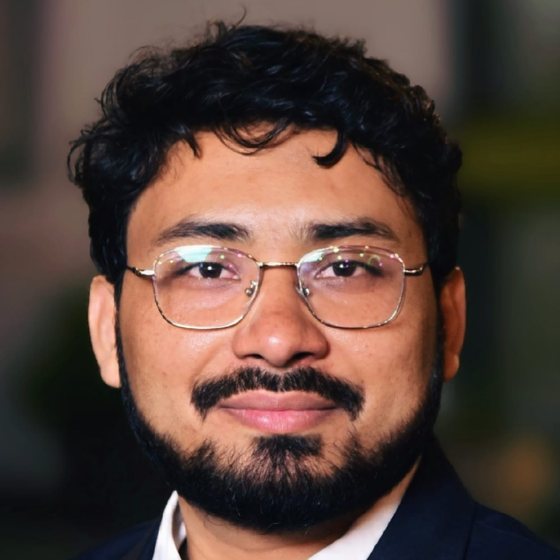
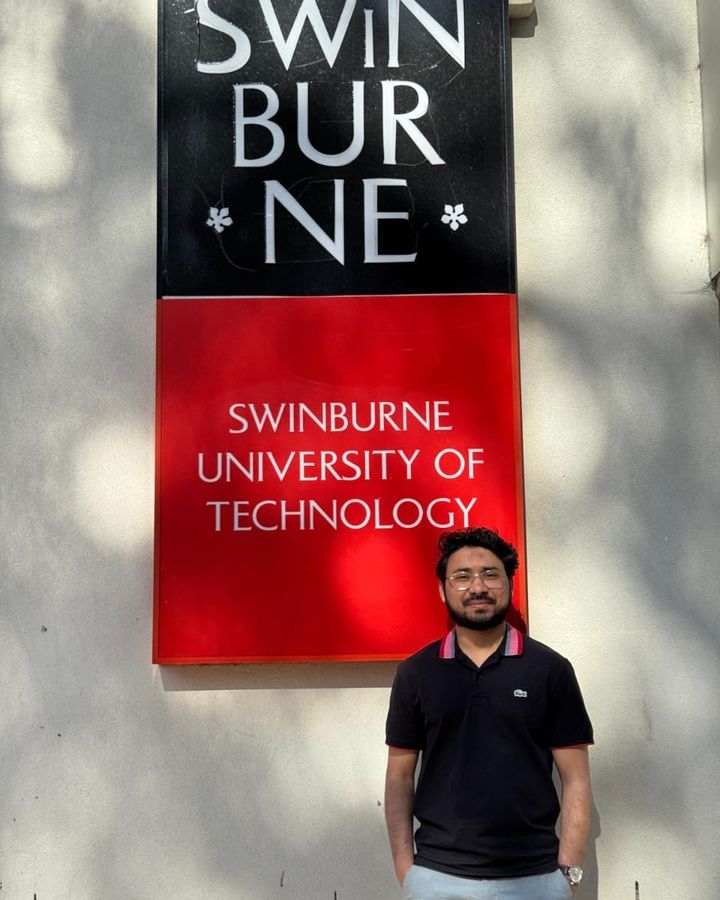
PhD researcher and sessional lecturer, Swinburne University of Technology, Melbourne
I study how electric cars and homes that share power with each other can keep the electricity grid steady as we move to net zero.
I'm an electrical engineer finishing my PhD at Swinburne University in Melbourne. My work sits between research and industry. I work as a research assistant at the Siemens–Swinburne Energy Transition Hub, where I worked on a CSIRO project on blackout recovery, and I teach smart grid design to engineering students.
Before coming to Australia, I spent several years at Aligarh Muslim University in India building and testing hardware that measures power flow in electricity networks. That work led to a published patent.
This is the work I do through my PhD and my research at the Siemens–Swinburne Energy Transition Hub. If your team needs help with any of the following, I'd like to hear from you.
Testing whether solar farms and big batteries can restart the grid after a blackout, and where the limits of their electronics are.
Published: Energies 2026, from a CSIRO research project.
Building and running network models, with Python for optimisation and automation of repeated studies.
Trained: PSS®E and PSS® SINCAL industry courses. PSS®E is the main tool in my PhD modelling.
Planning when and how electric cars charge, so they don't overload local networks and voltage stays within limits.
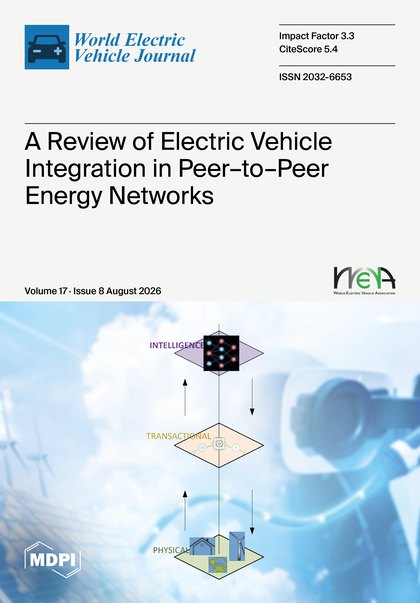
Published: Journal of Energy Storage 2025, IEEE ETFG and AUPEC 2025, and a WEVJ cover story.
Tools I use: PSS®E, PSS® SINCAL, MATLAB/Simulink, Python (NumPy, Pandas, CVXPY), IBM CPLEX
I'm also open to research collaborations, and to postdoc or research roles in India or Australia from 2028.
I've been lucky to learn from and work with these organisations.